
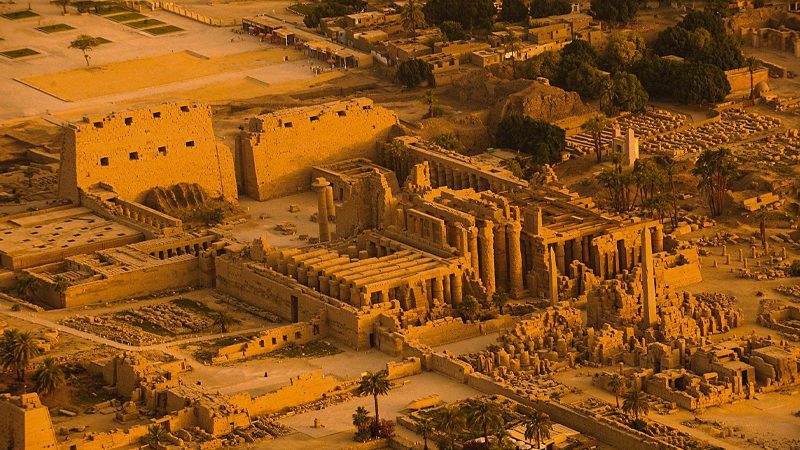
Welcome to the world of Karnak Temple, an awe-inspiring testament to the grandeur and ingenuity of ancient Egyptian civilization. Nestled on the eastern bank of the Nile River in Luxor, Egypt, Karnak Temple stands tall as one of the most remarkable archaeological sites in the world. In this comprehensive guide, we will delve into the historical significance, architectural marvels, and intriguing secrets of Karnak Temple, ensuring you have an unforgettable virtual journey through this ancient wonder.
Unveiling the History
To truly appreciate the magnificence of Karnak Temple, it is essential to understand its historical context. With a heritage of over 4,000 years, Karnak Temple was dedicated to worshiping the Theban Triad – the gods Amun, Mut, and Khonsu. Known initially as Ipet-Isut, meaning “The Most Select of Places,” the temple complex served as the religious center of Thebes (modern-day Luxor) during the New Kingdom period.
Architectural Marvels
Karnak Temple is renowned for its sprawling complex, spanning over 100 hectares, making it one of the most significant religious structures ever built. The temple complex consists of numerous sanctuaries, pylons, obelisks, and colossal statues, each reflecting the remarkable architectural prowess of the ancient Egyptians. We will explore the key architectural features, including the Great Hypostyle Hall, the Avenue of Sphinxes, and the Sacred Lake, and unravel the mysteries behind their construction.
The Great Hypostyle Hall
At the heart of Karnak Temple lies the Great Hypostyle Hall, an architectural masterpiece that leaves visitors in awe. This colossal hall comprises 134 massive columns over 70 feet tall, adorned with intricate hieroglyphics and pictorial reliefs. We will delve into the symbolic significance of the hall, its role in religious ceremonies, and the captivating stories on its walls.
The Avenue of Sphinxes
As we take a virtual stroll along the Avenue of Sphinxes, an enchanting pathway connecting Karnak Temple to Luxor Temple, prepare to be transported back in time. Lined with hundreds of sphinx statues, this majestic avenue offers a glimpse into the grandeur of ancient processions and rituals. We will uncover this pathway’s purpose and the cultural significance of these mythical creatures.
The Sacred Lake
Intriguing and serene, the Sacred Lake of Karnak Temple served practical and religious purposes. This expansive man-made lake played a vital role in the temple’s rituals, symbolizing the primeval waters of creation. We will explore the significance of the Sacred Lake, its connection to ancient Egyptian beliefs, and its current state as an archaeological treasure.
Unraveling the Secrets
Karnak Temple holds numerous secrets and mysteries waiting to be unraveled. This ancient site continues to captivate archaeologists and historians alike, from hidden chambers and underground passages to intricate astronomical alignments. We will delve into some of the lesser-known aspects of Karnak Temple, shedding light on ongoing research and recent discoveries.
Visitor Experience and Preservation
No journey is complete without considering the visitor experience and efforts to preserve this invaluable heritage site. We will provide practical tips for planning a visit to Karnak Temple, highlighting must-see areas and offering insights into the ongoing conservation measures to safeguard the temple complex for future generations.
Conclusion
Karnak Temple is a testament to the extraordinary achievements of ancient Egyptian civilization. Its timeless beauty and architectural grandeur continue to leave visitors in awe while ongoing research unveils new insights into its rich history. Whether you are an avid history enthusiast, an architectural connoisseur, or someone seeking a glimpse into the past, Karnak Temple promises an unforgettable journey into the heart of ancient Egypt.
What is the historical significance of Karnak Temple?
Karnak Temple holds immense historical significance as it served as the religious center of Thebes during the New Kingdom period in ancient Egypt. It was dedicated to the worship of the Theban Triad – Amun, Mut, and Khonsu.
What are the key architectural features of Karnak Temple?
Karnak Temple boasts a vast complex with remarkable architectural features. The Great Hypostyle Hall is a must-see with its towering columns and intricate reliefs. The Avenue of Sphinxes, lined with captivating statues, and the Sacred Lake are notable features.
How large is the Karnak Temple complex?
The Karnak Temple complex spans over 100 hectares, making it one of the most significant religious structures ever constructed. It comprises numerous sanctuaries, pylons, obelisks, and statues, showcasing the scale and grandeur of ancient Egyptian architecture.
What is the significance of the Great Hypostyle Hall?
The Great Hypostyle Hall is a magnificent structure within Karnak Temple. Its 134 colossal columns, adorned with intricate hieroglyphics, were a focal point for religious ceremonies and depicted captivating stories of ancient Egypt’s mythology and history.
What is the Avenue of Sphinxes?
The Avenue of Sphinxes is a captivating pathway that connects Karnak Temple to Luxor Temple. Lined with numerous sphinx statues, it offers a glimpse into the grand processions and rituals of ancient times, showcasing these mythical creatures’ cultural and symbolic significance.
How can I plan a visit to Karnak Temple?
To plan a visit to Karnak Temple, it is recommended to check the opening hours and ticket prices beforehand. Luxor, Egypt, is the closest city, and various transportation options are available. Hiring a knowledgeable guide to enhance the experience and ensure you don’t miss any key highlights is advisable.