
Welcome to the enchanting world of Luxor City, a living testament to the grandeur and magnificence of ancient Egypt. Situated on the banks of the Nile River, Luxor City boasts an unrivaled historical significance and a wealth of archaeological wonders. This comprehensive guide will delve into the captivating history, iconic landmarks, and cultural treasures that make Luxor City a must-visit destination for history enthusiasts and curious travelers.
The Historical Significance of Luxor City
Luxor City, also known as Thebes in ancient times, was the capital of Egypt during the New Kingdom period. With a history spanning over 4,000 years, this extraordinary city served as the political, religious, and cultural center of ancient Egypt. We will unravel the rich tapestry of Luxor’s history, from its foundation to its golden age, and explore the remarkable ruins that stand as a testament to its past glory.
The East Bank: A Glimpse into Modern and Ancient Life
The East Bank of Luxor City is where the modern and ancient worlds seamlessly blend. We will explore the bustling streets, vibrant markets, and modern-day amenities that coexist with magnificent temples such as Luxor Temple and Karnak Temple. Discover the intriguing juxtaposition of past and present in this vibrant district, where ancient relics mingle with the rhythms of modern life.
The West Bank: A Necropolis of Ancient Wonders
The West Bank of Luxor City holds a treasure trove of archaeological wonders, earning it the nickname “Thebes of the Dead.” Here, we will journey to iconic sites such as the Valley of the Kings, the Valley of the Queens, and the Mortuary Temple of Hatshepsut. Uncover the secrets of the pharaohs, explore intricately decorated tombs, and learn about the rituals and beliefs surrounding the afterlife.
Luxor Temple: The Heart of the City
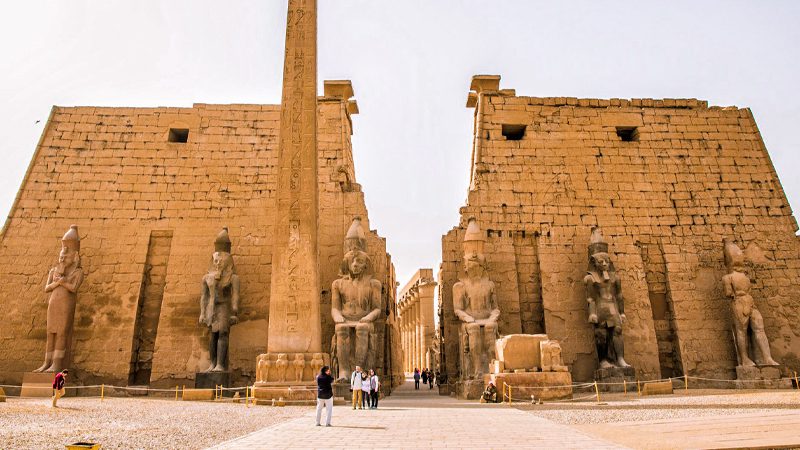
Luxor Temple, a remarkable testament to ancient Egyptian architecture, is a centerpiece of the city. We will delve into the temple’s grandeur, fascinating history, and the significance of its main structures, including the colossal statues of Ramses II and the famous Avenue of Sphinxes. Discover the stories carved into its walls and experience the captivating aura of this sacred site.
Karnak Temple: A Journey into Divinity
No visit to Luxor City is complete without exploring the awe-inspiring Karnak Temple. We will uncover the mysteries of this vast temple complex, from the towering columns of the Great Hypostyle Hall to the sacred lake and the Avenue of Sphinxes. Learn about the rituals, architectural marvels, and captivating stories that bring Karnak Temple to life.
Luxor Museum: Showcasing Egypt’s Cultural Heritage
A visit to the Luxor Museum is necessary to better understand Luxor’s rich heritage. We will explore the museum’s impressive collection of artifacts, including intricately carved statues, exquisite jewelry, and precious artifacts from ancient tombs. Immerse yourself in ancient Egypt as you uncover the stories behind these masterpieces.
Practical Tips for Exploring Luxor City
Planning a visit to Luxor City? We’ve got you covered with essential tips. From transportation options to recommended accommodations, we will provide practical information to help you make the most of your visit. Additionally, we will highlight local cuisine, nearby attractions, and the best times to experience Luxor City’s wonders.
Conclusion
Luxor City stands as a living testament to the grandeur and legacy of ancient Egypt. From its iconic temples to its rich archaeological sites, this captivating destination invites you to step back in time and immerse yourself in the wonders of the pharaohs. Discover the allure of Luxor City, where history and culture come alive amidst breathtaking landscapes and timeless splendor.
FAQs (Frequently Asked Questions) – Luxor City
What is the historical significance of Luxor City?
Luxor City, also known as Thebes in ancient times, served as the capital of Egypt during the New Kingdom period. Its historical significance lies in being ancient Egypt’s political, religious, and cultural center, boasting a rich heritage spanning over 4,000 years.
What are the must-visit landmarks on the East Bank of Luxor City?
The East Bank of Luxor City offers modern life and ancient wonders. Must-visit landmarks include Luxor Temple, renowned for its grandeur and captivating statues, and Karnak Temple, a vast complex with its awe-inspiring Great Hypostyle Hall. The vibrant markets and bustling streets of the East Bank also provide a glimpse into modern-day Luxor.
What are the highlights of the West Bank of Luxor City?
The West Bank of Luxor City is a graveyard of ancient wonders. Highlights include the Valley of the Kings, where intricately decorated pharaohs’ tombs can be explored, the Valley of the Queens, and the Mortuary Temple of Hatshepsut, showcasing the architectural brilliance of the ancient Egyptians.
Why is Luxor Temple considered the heart of the city?
Luxor Temple holds significant historical and cultural importance in Luxor City. It is dedicated to rejuvenating kingship and serves as a symbol of the annual Opet Festival. Luxor Temple’s main structures, including the colossal statues of Ramses II and the Avenue of Sphinxes, contribute to its status as the city’s heart.
What can I expect to see at Karnak Temple?
Karnak Temple is a sprawling complex that offers an incredible journey into ancient divinity. Highlights include the Great Hypostyle Hall, adorned with towering columns and intricate reliefs, the sacred lake, and the Avenue of Sphinxes. Visitors can immerse themselves in the rituals, architectural marvels, and captivating stories of Karnak Temple.
What can I explore at the Luxor Museum?
The Luxor Museum showcases Egypt’s cultural heritage through its impressive collection of artifacts. Visitors can expect to see intricately carved statues, exquisite jewelry, and precious artifacts from ancient tombs. The museum provides a deeper understanding of Luxor’s rich heritage and offers insights into the ancient Egyptian civilization.