
Welcome to Luxor Temple, an extraordinary testament to the grandeur and spirituality of ancient Egypt. Situated in the heart of Luxor City, this iconic temple stands as a timeless symbol of the pharaohs’ power and the divine connection between heaven and earth. In this comprehensive guide, we will delve into the fascinating history, architectural marvels, and religious significance of Luxor Temple, taking you on a captivating journey through ancient Egyptian civilization.
The Historical Significance of Luxor Temple
Luxor Temple, also known as the “Southern Sanctuary,” was built during the New Kingdom period and played a vital role in ancient Egypt’s religious and political life. We will explore the historical significance of Luxor Temple, its importance as a center of worship, and the various pharaohs who contributed to its construction and expansion.
Architectural Marvels of Luxor Temple
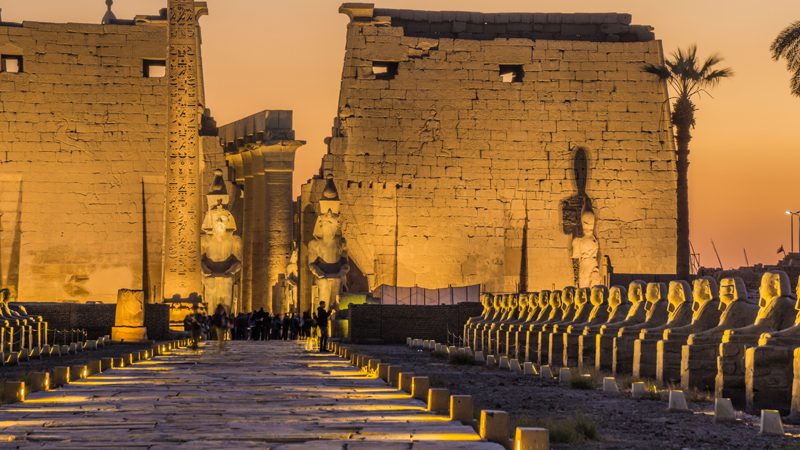
The architecture of Luxor Temple is a stunning blend of ancient Egyptian craftsmanship and artistic brilliance. We will delve into the temple’s impressive features, including the colossal statues of Ramses II, the monumental pylons, the intricately carved reliefs, and the magnificent hypostyle hall. Discover the symbolism and intricate details that make Luxor Temple an architectural masterpiece.
Exploring Luxor Temple: Main Structures and Highlights
Embark on a virtual tour through Luxor Temple’s remarkable structures and highlights. We will uncover the secrets of the majestic obelisks, the sacred bark shrines, the birth arcade, and the captivating inner sanctuaries. Learn about the temple’s holy precinct’s rituals, ceremonies, and religious practices.
Luxor Temple at Night: The Spectacular Sound and Light Show
Experience the magic of Luxor Temple after sunset during the breathtaking Sound and Light Show. We will immerse ourselves in the spectacle of lights, projections, and narrations that bring the temple’s history to life. Discover the enchanting ambiance as the temple’s ancient stones recount the tales of pharaohs, gods, and legends.
Luxor Temple and the Opet Festival
The Opet Festival, one of ancient Egypt’s most important religious celebrations, held significant importance at Luxor Temple. We will explore the history and rituals of this grand festival, during which the statues of Amun, Mut, and Khonsu were ceremoniously carried from Karnak Temple to Luxor Temple. Experience the spiritual significance and cultural richness of the Opet Festival.
Practical Tips for Visiting Luxor Temple
Planning a visit to Luxor Temple? We provide practical tips to enhance your experience. We’ve covered everything from opening hours and ticket information to recommended attire and nearby attractions. Discover the best times to visit, transportation options, and additional insights to make your visit to Luxor Temple seamless and memorable.
Conclusion
Luxor Temple is a majestic testament to the ingenuity and devotion of ancient Egyptian civilization. As you explore its awe-inspiring structures, intricate carvings, and sacred atmosphere, you will be transported back to a world where pharaohs ruled and gods were revered. Luxor Temple is an essential pilgrimage for history enthusiasts and an opportunity to connect with Egypt’s spiritual and cultural heritage.
What is the significance of the Luxor Temple in ancient Egypt?
Luxor Temple held immense religious and political significance in ancient Egypt. It was dedicated to the Theban Triad of Amun, Mut, and Khonsu and was a center for religious ceremonies and festivals. The temple symbolized the divine connection between the pharaohs and the gods, showcasing the power and authority of the Egyptian rulers.
What are the notable features of Luxor Temple’s architecture?
Luxor Temple showcases remarkable architectural elements that reflect the grandeur of ancient Egypt. Visitors can admire the colossal statues of Ramses II, the imposing towers, the intricate carvings and reliefs, and the majestic hypostyle hall. These features highlight the mastery of ancient Egyptian craftsmanship and the temple’s awe-inspiring design.
How long does it take to explore Luxor Temple?
The duration of a visit to Luxor Temple varies depending on individual interests. On average, visitors spend about 1-2 hours exploring the temple and its main structures. However, those with a more profound interest in history and architecture may spend more time fully appreciating the intricate details and immersing themselves in the temple’s ambiance.
Can I visit Luxor Temple during the evening?
Yes, Luxor Temple offers a captivating experience during the evening hours. The temple is beautifully illuminated, creating a mesmerizing atmosphere. Visitors can attend the Sound and Light Show, where the temple’s history comes to life through a combination of lights, projections, and narrations, providing a unique and enchanting perspective of Luxor Temple.
Are there any specific rituals or festivals associated with Luxor Temple?
Luxor Temple played a significant role in the annual Opet Festival, a religious celebration honoring the Theban Triad. During this festival, statues of Amun, Mut, and Khonsu were carried from Karnak Temple to Luxor Temple in a ceremonial procession, symbolizing the gods’ journey and the renewal of kingship. The Opet Festival brought together priests, pharaohs, and devotees in a grand display of devotion and spirituality.
Are there any nearby attractions or sites to explore after visiting Luxor Temple?
Luxor City offers a wealth of attractions for visitors to explore. Nearby, you can discover the sprawling complex of Karnak Temple, the fascinating Luxor Museum, and the captivating Valley of the Kings, where the tombs of ancient pharaohs are located. The Avenue of Sphinxes, stretching from Luxor Temple to Karnak Temple, is also worth exploring, showcasing the grandeur of ancient Egypt.