
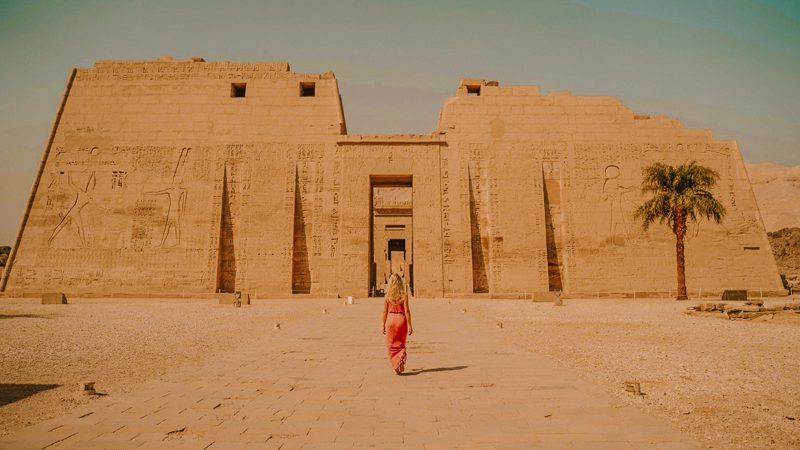
Welcome to Medinet Habu, a testament to ancient Egypt’s grandeur and architectural prowess. Situated on the west bank of the Nile River in Luxor, Medinet Habu is home to the stunning mortuary temple of Pharaoh Ramses III. In this comprehensive guide, we will journey through time to explore the majestic temples, intricate reliefs, and rich historical significance of Medinet Habu.
The Historical Significance of Medinet Habu
Medinet Habu holds immense historical significance as the mortuary temple of Ramses III, the last great pharaoh of the 20th Dynasty. We will delve into the historical context of Ramses III’s reign, the purpose of mortuary temples in ancient Egypt, and the significance of Medinet Habu as a symbol of power, afterlife beliefs, and divine worship.
Architectural Marvels of Medinet Habu
The architectural splendor of Medinet Habu mesmerizes visitors with its monumental structures and intricate details. We will explore the impressive features of the temple, including the massive towers, the majestic Great Court, the beautifully decorated Hypostyle Hall, and the sacred sanctuaries. Experience the mastery of ancient Egyptian architecture brought to life in Medinet Habu.
The Magnificent Wall Reliefs
Medinet Habu boasts ancient Egypt’s most intricate and well-preserved wall reliefs. We will unravel the captivating stories on the temple walls, including scenes of military victories, religious rituals, royal processions, and symbolic imagery. Discover the artistry and symbolism behind the reliefs, providing valuable insights into the pharaoh’s reign and ancient Egyptian beliefs.
Exploring the Temples of Medinet Habu
Medinet Habu is not limited to Ramses III’s mortuary temple alone. Adjacent to it, you can find other fascinating structures, such as the Temple of Amun and the Temple of Mut. We will uncover the significance of these temples, their architectural features, and the religious practices carried out within their sacred precincts.
The Treasury of Medinet Habu: Artifacts and Exhibits
Discover the treasures preserved within the Treasury of Medinet Habu. We will highlight the notable artifacts, statues, and reliefs found in the temple complex, shedding light on ancient Egypt’s artistic and cultural achievements. Delve into the details of royal offerings, religious symbolism, and the representation of gods and goddesses in these remarkable pieces.
Practical Tips for Visiting Medinet Habu
Planning a visit to Medinet Habu? We provide practical tips to enhance your experience. We’ve covered everything from opening hours and ticket information to recommended attire and nearby attractions. Learn about the best times to visit, transportation options, and additional insights to make your visit to Medinet Habu seamless and memorable.
Conclusion
Medinet Habu is a testament to ancient Egypt’s power, artistry, and religious devotion. As you wander through its magnificent temples, marvel at the intricate reliefs, and immerse yourself in the stories depicted on the walls, you will be transported to a time when pharaohs ruled and gods were worshiped. Medinet Habu is an archaeological marvel that offers a glimpse into the rich tapestry of ancient Egyptian civilization.
Frequently Asked Questions
What is Medinet Habu and its historical significance?
Medinet Habu is an ancient temple complex located in Luxor, Egypt. It is primarily known for the mortuary temple of Pharaoh Ramses III. This temple holds immense historical significance as it reflects the power, religious beliefs, and architectural achievements of the pharaohs of ancient Egypt.
What are the notable architectural features of Medinet Habu?
Medinet Habu showcases remarkable architectural elements, including massive towers, the Great Court, the Hypostyle Hall, and sacred sanctuaries. Visitors can admire the intricate carvings, detailed reliefs, and grandeur of the temple’s design. These architectural features exemplify the mastery and artistry of ancient Egyptian builders.
What can I learn from the wall reliefs at Medinet Habu?
The wall reliefs at Medinet Habu depict a wide range of scenes, including military victories, religious rituals, royal processions, and mythological tales. These reliefs provide valuable insights into the pharaoh’s reign, the daily life of ancient Egyptians, their religious beliefs, and their interactions with the gods.
Are there other temples to explore within the Medinet Habu complex?
Besides Ramses III’s mortuary temple, Medinet Habu also houses the Temple of Amun and the Temple of Mut. These temples have their unique architectural features and historical significance. Exploring these additional temples within the complex offers a more comprehensive understanding of ancient Egyptian religious practices.
Are there any artifacts or treasures on display at Medinet Habu?
The Treasury of Medinet Habu preserves artifacts, statues, and reliefs discovered within the temple complex. These exhibits showcase the artistic achievements and cultural heritage of ancient Egypt. Visitors can appreciate royal offerings, religious symbolism, and depictions of gods and goddesses through these fascinating artifacts.
What are some practical tips for visiting Medinet Habu?
When planning a visit to Medinet Habu, it is advisable to check the opening hours and ticket information in advance. Comfortable footwear is recommended as the site involves walking on uneven terrain. Additionally, considering the weather conditions and carrying water and sun protection are essential for a relaxing and enjoyable visit.