
Welcome to the captivating world of the Temple of Esna, an archaeological treasure nestled in the heart of Egypt. In this comprehensive guide, we will delve into the depths of history and shed light on the intriguing secrets of this ancient marvel. From its impressive architecture to its symbolic carvings, the Temple of Esna offers a unique glimpse into the rich cultural heritage of Egypt. Join us as we explore the temple’s significance, uncover its historical context, and reveal the awe-inspiring stories etched within its walls. Whether you’re a history enthusiast, an intrepid traveler, or simply curious about the wonders of the ancient world, this article will serve as your ultimate companion to the Temple of Esna.
History of Esna Temple
The Temple of Esna, also known as the Temple of Khnum, dates back to the Ptolemaic period of ancient Egypt. Constructed between the 3rd century BC and the 2nd century AD, it stands as a testament to the grandeur and architectural prowess of its time. Dedicated to worshiping the creator god Khnum, the temple was a vital religious center in the region.
Architectural Marvels
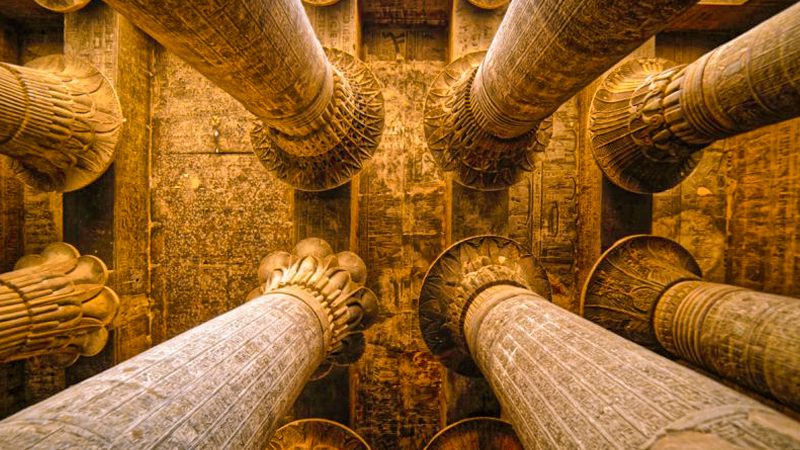
The Temple of Esna showcases a unique blend of architectural styles, reflecting the various eras it has witnessed. The exterior facade boasts intricate carvings, including hieroglyphics, battle scenes, and mythological motifs. Step inside, and you’ll be mesmerized by the grand hypostyle hall adorned with towering columns and exquisite capitals. The intricate detailing and vibrant colors that have stood the test of time will leave you in awe.
The Divine Enigma:
Central to the religious significance of the Temple of Esna is the worship of Khnum, the ram-headed god. Discover the fascinating mythology surrounding Khnum as the creator and shaper of human beings and his association with the annual flooding of the Nile River. Unravel the symbolic representations of Khnum within the temple’s sacred spaces and gain a deeper understanding of ancient Egyptian beliefs and rituals.
Rituals and Festivals
Experience the vibrancy and spirituality that once filled the Temple of Esna through its rituals and festivals. Learn about the ceremonies held in honor of Khnum and the annual Opet Festival, where the god’s statue was paraded from the temple to the nearby Temple of Luxor. Immerse yourself in the atmosphere of ancient celebrations and gain insights into the cultural practices that shaped the lives of the temple’s worshippers.
Rediscovery and Preservation Efforts
Unearth the story of the Temple of Esna’s rediscovery in the 19th century and the subsequent restoration and preservation efforts. From the European explorers who first documented its existence to the ongoing conservation initiatives, the temple has survived through the dedication and passion of archaeologists and historians. Gain an appreciation for the challenges of preserving this cultural gem for future generations.
Visiting the Temple Today
Practical information for modern-day visitors awaits in this section. Discover the best time to visit, entry fees, and guidelines for exploring the temple complex. From its convenient location near the Nile River to nearby attractions worth exploring, plan your trip to the Temple of Esna easily and make the most of your visit.
Conclusion
As you conclude your virtual journey through the Temple of Esna, you’ve witnessed the remarkable tales and extraordinary artistry on its walls. From its awe-inspiring architecture to its spiritual significance, the temple is a testament to Egypt’s rich cultural heritage. The Temple of Esna beckons travelers and history enthusiasts alike to pilgrimage through time, unlocking past mysteries and forging a connection to the ancient world. With each visit, the temple invites us to embrace the enduring legacy of human creativity and spirituality, fostering a deep appreciation for the marvels of our collective history.
In the footsteps of the ancients, the Temple of Esna awaits your discovery. Start planning your journey today and witness the wonders within this hidden gem of Egypt’s heritage.
FAQs (Frequently Asked Questions) about the Temple of Esna:
What is the historical significance of the Temple of Esna?
The Temple of Esna holds great historical significance as it dates back to the Ptolemaic period of ancient Egypt. It serves as a testament to the architectural prowess of its time and offers valuable insights into the religious practices and beliefs of the ancient Egyptians.
What are the architectural highlights of the Temple of Esna?
The Temple of Esna boasts intricate carvings on its exterior facade, including hieroglyphics, battle scenes, and mythological motifs. Visitors are greeted by a grand hypostyle hall with towering columns adorned with exquisite capitals. The temple’s impressive architecture and well-preserved details showcase the skill and craftsmanship of ancient Egyptian artisans.
Who is Khnum, and why is he important in the Temple of Esna?
Khnum, the ram-headed god, is important in the Temple of Esna. He is considered the creator and shaper of human beings and is associated with the annual flooding of the Nile River. The temple’s sacred spaces contain symbolic representations of Khnum, providing a deeper understanding of ancient Egyptian beliefs and rituals.
Are there any rituals or festivals associated with the Temple of Esna?
Yes, the Temple of Esna was the site of various rituals and festivals dedicated to Khnum. The temple served as a place of worship and celebration, and the annual Opet Festival was particularly significant. During this festival, Khnum’s statue was paraded from the Temple of Esna to the nearby Temple of Luxor, creating a vibrant atmosphere of spirituality and cultural significance.
How was the Temple of Esna rediscovered and preserved?
The Temple of Esna was rediscovered in the 19th century by European explorers, who documented its existence. Since then, ongoing restoration and preservation efforts have been undertaken to ensure its survival. Dedicated archaeologists and historians have played a crucial role in conserving this cultural gem, allowing visitors today to experience the temple’s magnificence.
Can I visit the Temple of Esna today?
Yes, the Temple of Esna is open to visitors. To plan your visit, consider the best time to go, entry fees, and guidelines for exploring the temple complex. Located near the Nile River, the temple also offers proximity to other attractions worth exploring, making it a must-visit destination for history enthusiasts and travelers seeking a deeper connection to ancient Egypt’s wonders.