
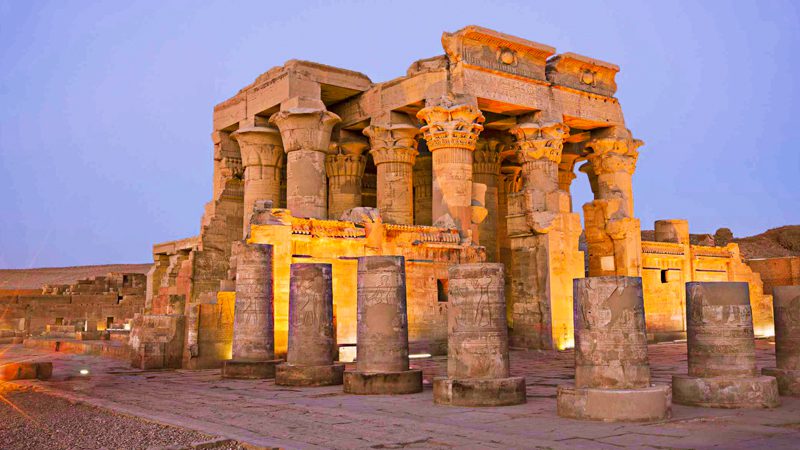
Welcome to the captivating world of Kom Ombo Temple, a unique archaeological gem nestled on the banks of the Nile River in Egypt. With its distinctive dedication to Sobek, the crocodile-headed god, and Horus, the falcon-headed god, Kom Ombo Temple offers a fascinating glimpse into the ancient Egyptian civilization and its religious practices. Join us on a virtual journey as we explore the history, architectural wonders, and mystical allure of Kom Ombo Temple.
Unveiling the Historical Significance
To truly appreciate Kom Ombo Temple, it is essential to delve into its historical significance. Dating back to the Ptolemaic dynasty in ancient Egypt, this remarkable temple stands on the site of an even older structure. We will uncover the importance of Kom Ombo Temple as a center for dual worship and its role in ancient Egyptians’ spiritual and cultural life.
A Dual Dedication: Sobek and Horus
Kom Ombo Temple is unlike any other in Egypt, as it is dedicated to two primary deities: Sobek, the crocodile god associated with fertility and protection, and Horus, the falcon god representing kingship and divine power. We will explore the unique blend of religious beliefs embodied in the temple’s architecture, reliefs, and sacred rituals.
Architectural Marvels
Kom Ombo Temple’s architectural splendor never fails to mesmerize visitors. Its symmetrical design features twin entrances, halls, and sanctuaries dedicated to Sobek and Horus. We will delve into the intricate carvings, hieroglyphics, and detailed reliefs that adorn the temple’s walls, each depicting captivating mythological tales and divine symbolism.
The Crocodile Museum
Within the precincts of Kom Ombo Temple, visitors can explore the fascinating Crocodile Museum. This unique museum houses ancient crocodile mummies, showcasing the reverence and significance of crocodiles in old Egyptian beliefs. We will delve into the museum’s history, its collection, and the cultural context behind crocodile worship.
Medical and Healing Traditions
Kom Ombo Temple is unique in ancient Egyptian history due to its association with healing and medical practices. The reliefs and inscriptions within the temple shed light on the advanced medical knowledge of ancient Egyptians. We will uncover the intriguing aspects of the temple’s healing traditions and the role of Sobek as a deity associated with medicine.
Nile River and Agricultural Connection
Situated along the banks of the Nile River, Kom Ombo Temple played a crucial role in the agricultural life of ancient Egypt. We will explore the temple’s connection to the Nile, its significance in fertility and the annual flooding, and the rituals to ensure bountiful harvests.
Visitor Experience and Practical Tips
Are you planning a visit to Kom Ombo Temple? We’ve got you covered. This section provides practical tips for visiting the temple, including information on opening hours, entry fees, and recommended tour options. We highlight nearby attractions and suggest ways to make the most of your visit to this historical and cultural marvel.
Frequently Asked Questions
Why is Kom Ombo Temple dedicated to two deities, Sobek and Horus?
Kom Ombo Temple is unique in its dedication to Sobek, the crocodile-headed god, and Horus, the falcon-headed god. The temple represents a fusion of religious beliefs, with Sobek associated with fertility and protection, while Horus symbolizes kingship and divine power.
What are the architectural features that make Kom Ombo Temple remarkable?
Kom Ombo Temple showcases symmetrical architecture with twin entrances, halls, and sanctuaries dedicated to Sobek and Horus. The temple’s walls are adorned with intricate carvings, hieroglyphics, and reliefs, depicting mythological tales and symbolic representations.
What can I find in the Crocodile Museum at Kom Ombo Temple?
The Crocodile Museum within Kom Ombo Temple offers a fascinating collection of ancient crocodile mummies. It provides insights into crocodiles’ reverence and cultural significance in old Egyptian beliefs. The museum sheds light on the historical context of crocodile worship.
How is Kom Ombo Temple connected to healing and medicine?
Kom Ombo Temple has associations with healing and medicine in ancient Egyptian traditions. The temple’s reliefs and inscriptions provide evidence of advanced medical knowledge of that time. As a deity connected to treatment, Sobek plays a significant role in this aspect of the Kom Ombo Temple.
What is the significance of the Nile River in Kom Ombo Temple?
Kom Ombo Temple’s location along the banks of the Nile River holds agricultural significance. The temple is tied to the Nile’s annual flooding, vital for fertile lands and abundant harvests. Rituals conducted at the temple were meant to ensure prosperity and agricultural success.
How can I plan a visit to the Kom Ombo Temple?
Planning a visit to Kom Ombo Temple involves checking the opening hours and admission fees in advance. It is advisable to join a guided tour to gain deeper insights into the temple’s history and significance. Additionally, exploring nearby attractions and considering transportation options are essential for a well-rounded visit.
Conclusion
Kom Ombo Temple is a testament to the rich tapestry of ancient Egyptian beliefs and architectural brilliance. Its dedication to dual deities, Sobek and Horus, and its unique features make it a must-visit destination for history enthusiasts and curious travelers. Immerse yourself in the captivating world of Kom Ombo Temple, where the past comes alive and the mysteries of ancient Egypt unfold.