
Welcome to the captivating realm of the Valley of the Kings, a spellbinding UNESCO World Heritage Site nestled on the west bank of the Nile River in Luxor, Egypt. This historic site, shrouded in enigma and grandeur, holds the key to unlocking the secrets of ancient Egyptian pharaohs and their journey into the afterlife. In this comprehensive guide, we will journey through time, exploring the history, significance, and wonders of the Valley of the Kings.
The Fascinating History of the Valley of the Kings
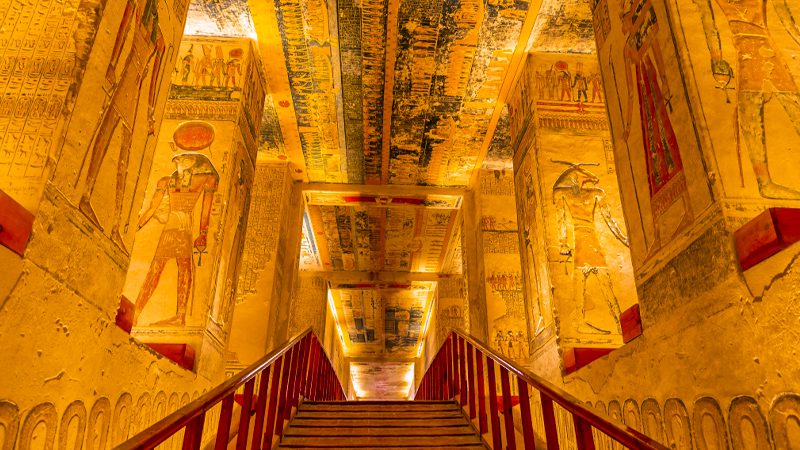
Delve into the rich tapestry of the Valley of the Kings, where the Pharaohs of the New Kingdom were laid to rest for over five centuries. Discover the reasons behind the relocation of royal burial sites, the religious beliefs surrounding the afterlife, and the construction techniques employed to create these magnificent tombs.
The Architecture and Design of the Royal Tombs
Unearth the architectural marvels within the Valley of the Kings as we examine the intricate design and construction techniques used to build these majestic tombs. Learn about the layout of the graves, the symbolism behind the wall paintings, and the impressive engineering that allowed for preserving the pharaohs’ mortal remains.
Famous Pharaohs and Their Tombs
Embark on a captivating journey through the tombs of renowned pharaohs, including Tutankhamun, Ramses II, and Seti I. Delve into the stories and legacies of these ancient rulers, and explore the stunning artwork and hieroglyphics that adorn their final resting places.
Exploring the Tombs: Must-Visit Highlights
Prepare to be awe-struck as we guide you through the must-visit tombs in the Valley of the Kings. From the magnificence of Tutankhamun’s tomb to the grandeur of Ramses III’s burial site, discover the hidden treasures and breathtaking artwork that await you within these sacred spaces.
Tips for Visiting the Valley of the Kings
Plan your visit to the Valley of the Kings easily by following our expert tips. From practical information on tickets and timings to suggestions for a rewarding experience, we provide all the essential details you need to make the most of your journey into the heart of ancient Egypt.
Preservation Efforts and Future of the Valley of the Kings
Learn about the ongoing preservation efforts and conservation initiatives to protect the Valley of the Kings for future generations. Explore the challenges of maintaining these delicate archaeological sites and understand the measures to ensure their longevity.
Conclusion
As we conclude our journey through the Valley of the Kings, we hope you have gained a deeper appreciation for the ancient wonders within this sacred necropolis. The Valley of the Kings is a testament to the ancient Egyptians’ rich history and remarkable achievements, offering an unforgettable experience for all who visit. Plan your expedition today, and immerse yourself in the mystique and grandeur of Egypt’s royal necropolis.
What is the Valley of the Kings, and why is it significant?
The Valley of the Kings is a renowned ancient burial site in Luxor, Egypt. It was the final resting place for numerous pharaohs during Egypt’s New Kingdom period. The valley is significant due to its rich historical and archaeological value, offering insights into ancient Egyptian culture, beliefs, and burial practices.
How many tombs are there in the Valley of the Kings, and are they all open to the public?
The Valley of the Kings houses over 60 tombs belonging to different pharaohs and royal figures. However, not all graves are open to the public at all times. Due to preservation efforts and ongoing restoration, some vaults are accessible to visitors, while others may be periodically closed.
Which tomb in the Valley of the Kings is the most famous and why?
The most famous tomb in the Valley of the Kings is that of King Tutankhamun (Tutankhamun’s tomb). Discovered in 1922 by Howard Carter, this tomb garnered immense attention due to its remarkable state of preservation and the treasures found within, including the iconic golden burial mask of the young pharaoh.
Are there any restrictions or guidelines for visiting the Valley of the Kings?
There are certain restrictions and guidelines for visiting the Valley of the Kings. Visitors are usually not allowed to take photographs or videos inside the tombs, and touching the wall paintings or artifacts is strictly prohibited to prevent damage. It is also advisable to wear comfortable footwear and carry water, as the site involves some walking.
How long does it typically take to explore the Valley of the Kings?
The duration of your visit to the Valley of the Kings can vary depending on your interests and the number of tombs you wish to explore. On average, visitors spend around 2 to 3 hours exploring the site. However, if you have a deep interest in ancient Egyptian history or wish to visit multiple tombs, it is recommended to allocate more time.
Can I visit the Valley of the Kings independently, or do I need a guide?
While visiting the Valley of the Kings independently is possible, hiring a knowledgeable guide can significantly enhance your experience. A guide can provide valuable insights, share fascinating stories about the pharaohs and their tombs, and ensure you don’t miss any significant details during your visit.